
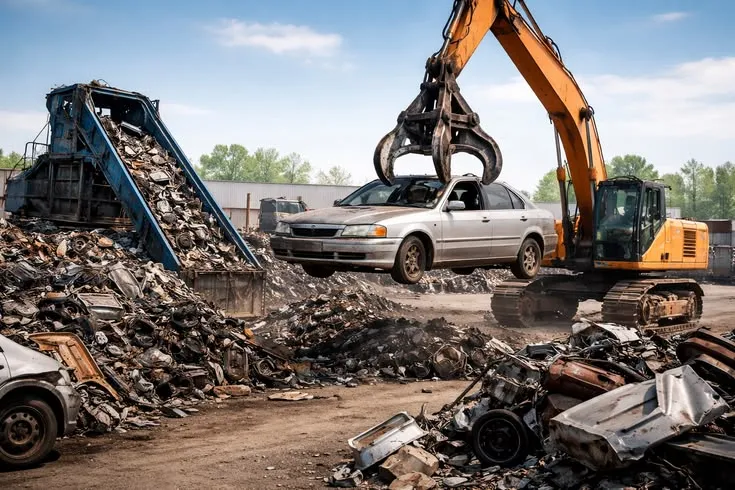
An old vehicle may appear worthless after years of use, particularly when major mechanical problems make it impossible to drive. However, even a damaged car contains materials and components that can have value beyond the vehicle’s working life. Steel, aluminum, copper, and selected reusable parts may be recovered through organized dismantling and recycling processes. Choosing Scrap Car Removal can be part of the vehicle disposal process, but owners should also understand what responsible recycling involves. Knowing how vehicles are processed makes it easier to distinguish proper recycling practices from careless disposal.
Why End-of-Life Vehicles Need Special Handling
Cars contain a mixture of metals, plastics, glass, rubber, electronic components, and potentially hazardous substances. This combination makes vehicle recycling more complicated than collecting ordinary household waste.
An abandoned car can create environmental problems when fluids leak or batteries deteriorate. Improper dismantling may also expose workers and surrounding areas to hazardous materials.
Responsible vehicle processing begins with assessing these risks and handling affected components appropriately before major dismantling work takes place.
The First Stage: Vehicle Inspection
After a vehicle arrives at a suitable processing facility, workers may inspect its overall condition and identify components requiring special attention.
This stage helps determine which materials can be reused, which can be recycled, and which require controlled disposal. The process may vary depending on the facility, vehicle type, and applicable regulations.
Accurate vehicle identification and ownership records may also be important for legal compliance and traceability.
Removing Fluids and Hazardous Components
Vehicles contain substances that must be managed carefully. Engine oil, fuel, brake fluid, transmission fluid, and coolant should not be released into surrounding soil or drainage systems.
Proper processing facilities use suitable equipment and procedures to collect and separate these substances. Depending on their condition and local regulations, certain fluids may be recovered, recycled, or sent for approved disposal.
Batteries and other potentially hazardous components also require appropriate handling to reduce environmental and safety risks.
The Value of Reusable Automotive Parts
Not every component from an unwanted vehicle is necessarily damaged. Some parts may remain suitable for reuse after inspection and any necessary testing.
Reusable items can include selected body panels, mechanical components, interior fittings, and electrical parts. Their condition and suitability depend on the individual vehicle.
Reusing appropriate parts can reduce demand for newly manufactured replacements. However, safety-critical components should only be reused when they meet relevant standards and legal requirements.
How Valuable Metals Are Recovered
Metal recovery is one of the most important aspects of vehicle recycling. Steel forms a substantial part of many vehicle bodies, while aluminum and copper are used in various structural, mechanical, and electrical systems.
After hazardous materials and selected components are removed, the remaining vehicle structure may be processed using specialized equipment.
Materials can then be separated for further treatment and recycling.
Examples of recoverable materials include:
- Steel from body panels and structural components.
- Aluminum from selected engine and body parts.
- Copper from wiring and electrical systems.
- Certain plastics suitable for recycling.
- Glass where appropriate recovery facilities exist.
- Rubber and other materials accepted by specialized processors.
Not every material can be recycled economically or through every facility. Recovery rates depend on available technology and local recycling infrastructure.
Why Recycling Matters Beyond Metal Value
Vehicle recycling can reduce the need for extracting and processing some virgin raw materials. In suitable circumstances, this may reduce energy use and environmental impacts associated with producing new materials.
However, recycling itself requires transportation, equipment, and energy. Its environmental benefits depend partly on how efficiently materials are processed and whether hazardous waste is managed correctly.
Responsible recycling should therefore be assessed through actual practices rather than broad environmental claims.
Choosing a Responsible Recycling Provider
Vehicle owners rarely see the complete dismantling and processing operation. This makes it important to ask questions before handing over a car.
A suitable provider should be able to explain the collection process, required paperwork, and where vehicles are taken for processing.
Owners can also ask whether the business uses properly authorized facilities and how hazardous materials are handled. Regulatory requirements vary, so verifying local compliance is an important step.
The Importance of Proper Documentation
Responsible disposal involves both physical recycling and administrative procedures. A vehicle may need to be deregistered, transferred, or officially recorded as dismantled.
Owners should obtain and retain appropriate documentation confirming the transaction. Depending on local rules, additional notification to an insurance provider or registration authority may also be required.
Keeping accurate records helps reduce the possibility of future confusion about ownership or responsibility.
Conclusion
An end-of-life vehicle still contains materials that may be useful when recovered through suitable recycling processes. Careful dismantling, hazardous-fluid management, parts recovery, and metal separation all contribute to more responsible disposal. Vehicle owners can support these practices by selecting providers that explain their procedures and follow applicable requirements. Scrap Car Removal is one option to consider when arranging the transfer of an unwanted vehicle. Understanding what happens after collection helps owners recognize why responsible recycling matters beyond simply clearing space on their property.